
Offset book printing and digital inkjet printing each offer distinct advantages depending on your title’s lifecycle stage, run length, and production goals. For publishing professionals managing first prints and reprints, choosing the right method can preserve margin, reduce waste, and ensure availability—especially when timelines are tight.
Offset vs digital: a 60-second definition box
- Offset book printing uses plates to transfer ink onto paper, ideal for high-volume, consistent runs.
- Digital inkjet printing applies ink directly without plates, enabling short-run book printing, faster setup, and version flexibility.
Both methods support professional-grade outcomes, but differ in cost structure, speed, and adaptability.
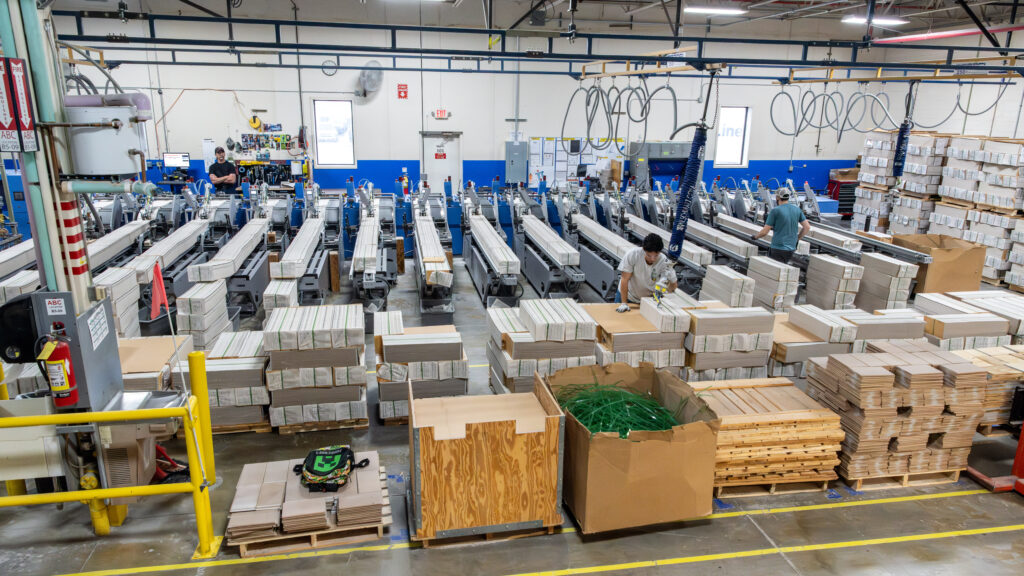
The five variables that drive the right choice
Choosing between offset and digital isn’t just about quantity—it’s about context. Here are the five key factors that determine the best fit:
1. Run length
- Offset becomes cost-effective at ~1,500+ copies due to economies of scale.
- Digital inkjet excels for short-run book printing (50–1,000 units), especially for niche titles or early demand testing.
2. Schedule pressure
- Offset setups require plate creation and longer makeready times.
- Digital workflows—especially with 24-hour turnaround capabilities—support rapid response to market needs or tight launch windows.
3. Color coverage
- Offset remains the gold standard for full-color interiors with heavy ink coverage.
- Digital inkjet supports 4-color printing, but may require adjustments for saturation-heavy designs.
4. Paper specifications
- Offset presses accommodate a wider range of coated stocks and specialty papers.
- Digital inkjet is optimized for uncoated and inkjet-compatible stocks, with expanding options.
5. Finishing requirements
- Complex finishing (e.g., foil stamping, case binding) may favor offset workflows.
- Digital jobs can still access premium binding and finishing through integrated post-press solutions.
Short-run reprints and demand planning for backlist
Backlist titles often face unpredictable demand. Reprinting 2,000 copies only to sell 300 creates waste and storage costs. Digital inkjet enables:
- Short-run reprints aligned to actual demand.
- Version updates without retooling.
- Subscription-based replenishment via API-integrated fulfillment.
This flexibility supports smarter inventory planning and reduces obsolescence—especially for academic, faith-based, and association publishers managing deep catalogs.
When to switch: a lifecycle playbook
Many publishers begin with offset for launch volumes, then transition to digital for reprints. Here’s a simplified lifecycle framework:
| Stage | Method | Why |
|---|---|---|
| First print | Offset | Lower unit cost for large runs; full finishing options |
| Early reprint | Digital | Fast turnaround; test ongoing demand |
| Long-tail POD | Digital | On-demand fulfillment; zero inventory risk |
Switching methods mid-title is not only feasible—it’s strategic. Our offset and digital capabilities allow seamless transitions without compromising quality or availability.
Cost, waste, and speed: what truly changes
| Factor | Offset | Digital |
|---|---|---|
| Unit cost (high volume) | Lower | Higher |
| Setup time | Longer | Minimal |
| Waste risk | Higher (overprinting) | Lower (on-demand) |
| Speed to market | Slower | Faster |
| Version flexibility | Limited | High |
Digital inkjet reduces upfront investment and risk, while offset maximizes efficiency for predictable demand. The right choice depends on your title’s lifecycle and business model.
How our integrated facility compresses timelines
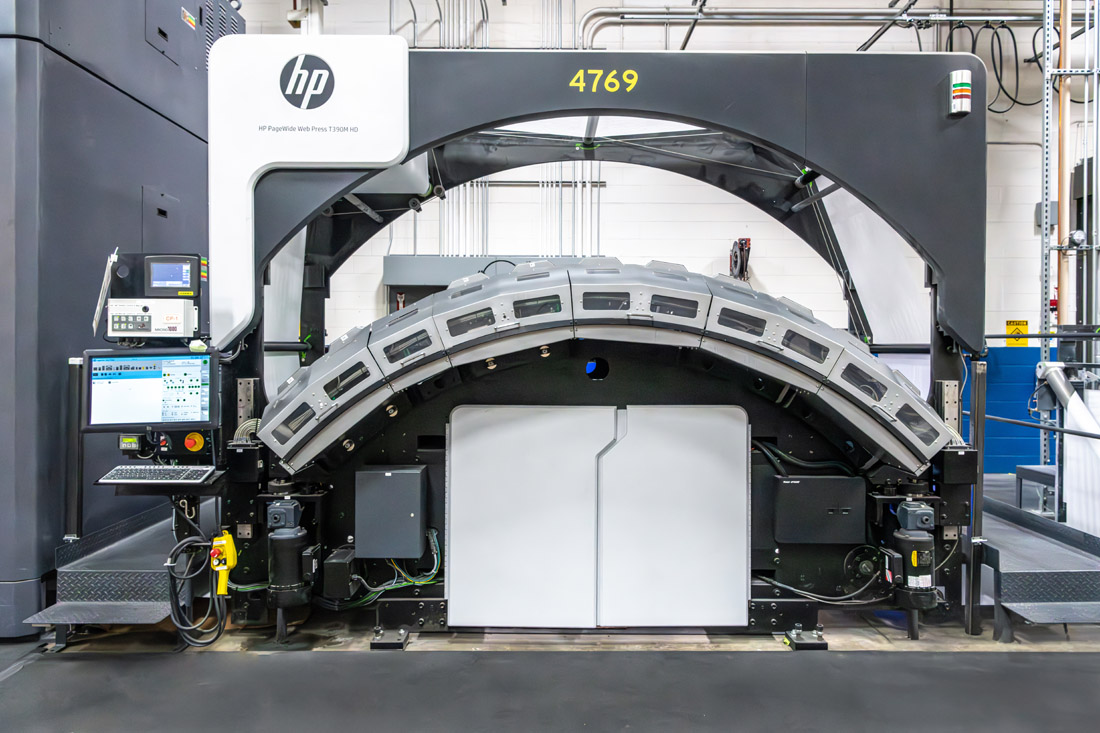
At Core Print Solutions, we eliminate hand-offs and delays by housing printing, finishing, warehousing, and fulfillment under one roof. Our 1.3M sq ft campus in Eagan, MN enables:
- 24-hour digital workflows for urgent jobs.
- Offset and digital flexibility for adaptive production.
- 7-day operations supporting 20M+ products/year.
- Integrated warehousing and fulfillment for faster distribution.
This means fewer vendors, fewer delays, and more control over your production schedule.
Want help choosing the right method for your next title?
Offset and digital book printing each serve a purpose. Offset is ideal for high-volume first prints with complex finishing, while digital inkjet supports short-run reprints, fast turnarounds, and versioning. Switching methods mid-title can reduce waste and preserve margin. With Core Print Solutions’ integrated facility and adaptive workflows, publishers gain speed, flexibility, and reliability across the entire lifecycle.
FAQ's
Ready to optimize your next print run?